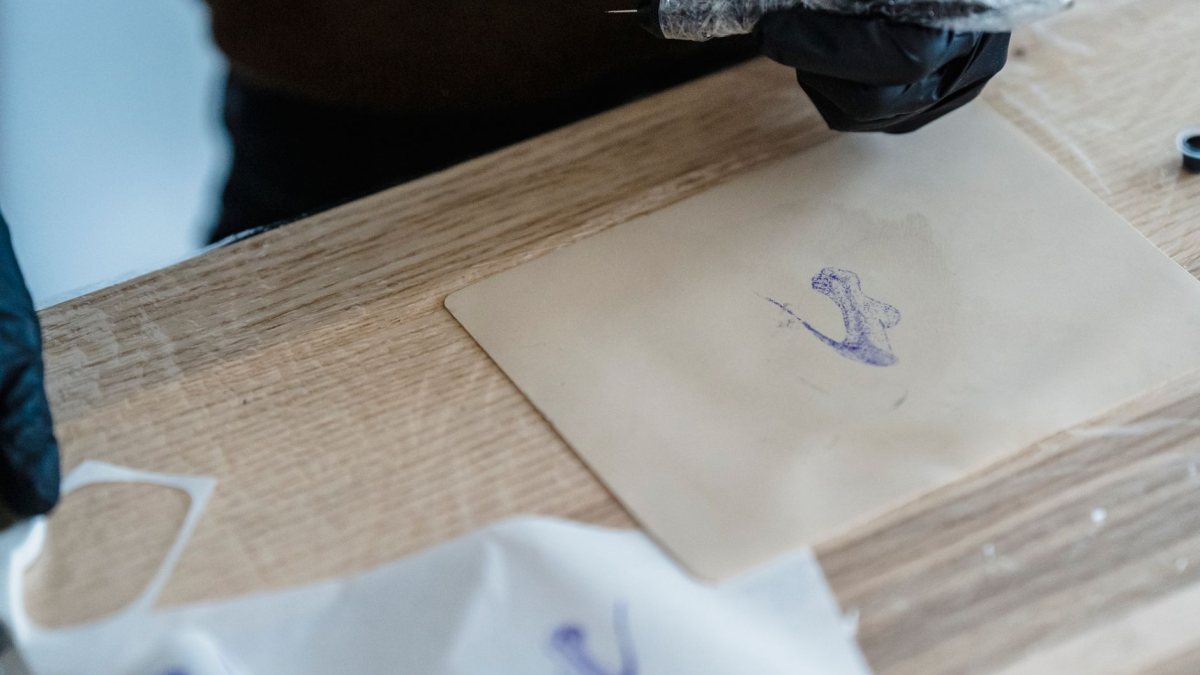
Introduction to Synthetic Practice Canvases
Stepping into the world of tattooing requires a serious commitment to mastering mechanics long before working on human skin. Beginners and seasoned professionals alike rely heavily on synthetic practice canvases to hone their craft in a controlled environment. Among the options flooding the market today, reelskin has earned a stellar reputation for its remarkable ability to mimic the thickness, texture, and overall feel of actual human tissue. When you understand how these materials react to high-speed needle oscillations, you can drastically refine your technique without ever compromising safety or client comfort.
Working on artificial mediums forces artists to pay close attention to critical variables like tear thresholds, stretch resistance, and surface tension. Of course, synthetic surfaces can never fully replicate biological realities like blood flow, vascular responses, or the complex phases of skin healing. Even so, they remain utterly indispensable for building muscle memory and boosting hand-eye coordination.
Material Composition and Elasticity
The structural makeup of a practice medium dictates just how closely it can simulate real biological skin. Unfortunately, many low-end silicone or rubber sheets fall flat; they are either entirely too rigid or so fragile that they tear apart under a heavy grouping pass. A genuinely high-grade synthetic sheet relies on advanced latex-free compounds engineered specifically to provide the tactile feedback of a human dermis.
Proper skin stretching is the absolute bedrock of clean line work and smooth, buttery shading. If your practice sheet lacks proper elasticity, you simply cannot simulate the necessary tension to pierce the surface cleanly. This is where products like reelskin really shine, offering multi-directional stretch that allows artists to practice anchoring, pulling, and tightening techniques just like they would during a real live session.
Stencil Retention and Ink Saturation
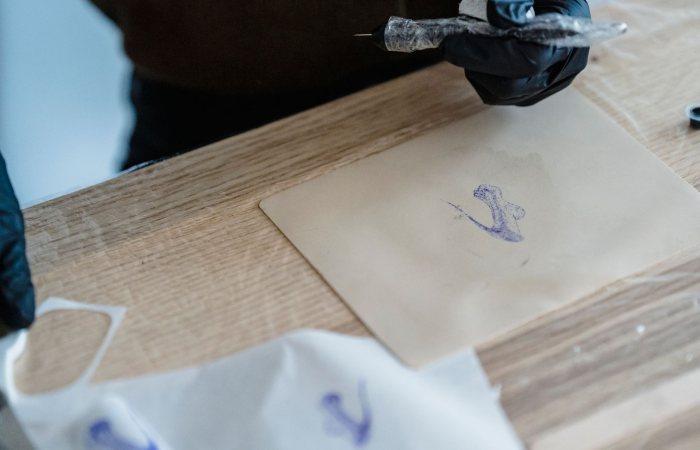
Getting a durable stencil to stick is half the battle when you are trying to keep your lines accurate from start to finish. Because artificial surfaces usually feature a non-porous chemical composition, stencils can sometimes slide right off if your prep work is even slightly off.
If you want optimal results when using reelskin or comparable premium products, standard purple stencil transfer papers work wonders—provided you apply the transfer fluid sparingly and let it dry completely. Piling on excess moisture only makes the transfer agent pool up rather than form a strong bond with the surface.
Ink dispersion behaves quite differently on organic canvases compared to plastic or silicone ones. On inferior pads, you will often notice ink pooling annoyingly on top or bleeding wildly through microscopic tears. Superior synthetic variants, however, grab onto pigment securely. This prevents messy blowouts and gives artists a clear window into their actual needle depth. If your needle goes in too deep, you will punch right through the backing; if you stay too shallow, your deposit will look faint and wipe completely away the moment you clean the canvas.
Comparative Performance and Selection
Choosing the right practice medium usually comes down to your immediate goals. Are you trying to master fine-line weights, heavy pack-shading, or intricate stippling? The table below highlights how different synthetic options stack up against one another in everyday handling.
| Material Type | Elasticity | Stencil Adherence | Ink Behavior |
|---|---|---|---|
| Basic Silicone Sheets | Low to Moderate | Poor | Tends to pool on surface |
| Premium Synthetic Skins (e.g., reelskin) | High, multi-directional | Good when dried properly | Retains clean lines, mimics dermal resistance |
| Dense Rubber Pads | Rigid | Moderate | Resists needle penetration, alters depth perception |
Practical Checklist for Synthetic Practice Sessions
To get the absolute most out of your artificial practice sheets, try running through this simple preparation and execution checklist before you fire up your machine:
- Wipe down your work area and make sure the synthetic sheet sits flat on a completely clean, dry surface.
- Apply your stencil transfer fluid in a very thin layer, then give it at least ten to fifteen minutes to cure properly.
- Keep an eye on your machine voltage and hand speed to avoid generating friction burns on the synthetic compound.
- Use green soap or specialized petroleum-based lubricants very sparingly when wiping away excess pigment mid-session.
- Flip your sheet over every now and then to inspect the back and check if your needle depth is even or overly aggressive.
Frequently Asked Questions
Can synthetic practice sheets replace human skin training?
Not entirely. While artificial sheets are fantastic for building machine control, hand speed, and depth consistency, they cannot recreate the variable resistance, bleeding, bruising, or natural healing processes of living human tissue. Supervised work on actual human models under a professional apprenticeship is always necessary to complete your training.
How do I clean stencil smudges off synthetic practice pads?
If your stencil smears during application, you can usually clean it up using alcohol wipes or a paper towel dampened with a small amount of rubbing alcohol. Just avoid scrubbing too aggressively, or you might strip away the matte finish of the practice sheet.
Why is my ink wiping away completely during the practice session?
If your pigment refuses to stay embedded, your needle depth is likely too shallow. Alternatively, the surface might still have manufacturing residues on it and needs a thorough scrub with an appropriate soap before you apply your design.
Is reelskin suitable for beginners learning how to tattoo?
Yes, reelskin is widely recommended for beginners because its texture and elasticity closely resemble human skin, allowing new artists to develop proper habits and muscle memory without the unpredictability of working on live skin right away.
Conclusion
Investing in high-grade synthetic mediums like reelskin offers a brilliant, pressure-free environment to elevate your technical precision in tattooing. By concentrating on consistent skin stretching, careful voltage management, and precise needle depth, practitioners can lay down a rock-solid foundation of mechanical skill before ever taking their craft into a professional studio setting.
Related Guides
Explore more useful resources related to this topic:
- A Guide to Choosing and Caring for a Luxury Fleuron Bag
- How to Choose and Maintain a Luxurious Hotel Style Plush Towel Set
- Tara-Leigh Cobble Age, Biography, and Life Journey Explained
- The Conscious Elegance of an Amur Dress: Style Guide and Fit Insights