The Connection Between Workspace Design and Physical Health
We spend a staggering portion of our lives indoors, interacting with built environments that quietly shape our physical comfort and mental sharpness. Whether you walk into a bustling educational campus, a calm healthcare facility, or a fast-paced corporate office, the physical objects in the room dictate how you sit, move, and carry tension. Poorly planned layouts and rigid, unyielding fixtures often force the human body into awkward, static postures for hours on end. Over time, that lack of thoughtful support accumulates into chronic muscular tightness, persistent fatigue, and painful repetitive strain injuries.
Building spaces that protect our physical longevity requires a delicate balance between visual appeal and sound biomechanical support. When interior layouts actually account for natural human movement, people can fluidly shift between sitting, standing, and active teamwork. Thoughtfully engineered pieces, such as those found within collections like jsi furniture, are frequently integrated into professional environments to meet the varied demands of the modern workday while maintaining rock-solid structural support. Incorporating versatile seating and adaptable work surfaces ultimately helps reduce physical friction during long hours of focus or study.
Key Ergonomic Principles for Seating and Tables
Ergonomics is much more than a trendy corporate buzzword; it is a practical science dedicated to shaping equipment around the human body, rather than forcing our bodies to contort around poorly designed objects. When you evaluate seating, desks, and auxiliary casework, a few foundational principles determine whether an item actively protects your physical wellbeing or slowly wears it down.
- Adjustability: People come in all heights and proportions. Equipment that accommodates diverse statures minimizes awkward reaching, hunching, and twisting.
- Lumbar and Pelvic Support: A proper chair maintains the natural inward curve of the lower spine, stopping slumping and lifting undue pressure off sensitive intervertebral discs.
- Surface Height and Clearance: Desks and collaborative tables must provide ample legroom and position work surfaces right where shoulders stay relaxed and wrists remain neutral.
- Material Resilience: High-density cushioning and tough, breathable textiles distribute body weight evenly, stopping painful pressure points from forming during prolonged sitting sessions.
To better grasp how different design specifications align with physical health, take a look at this breakdown of common commercial furniture categories and their core wellness attributes:
| Furniture Category | Primary Ergonomic Feature | Wellness Benefit |
|---|---|---|
| Task Seating | Synchro-tilt mechanism and adjustable armrests | Encourages dynamic movement and reduces shoulder strain |
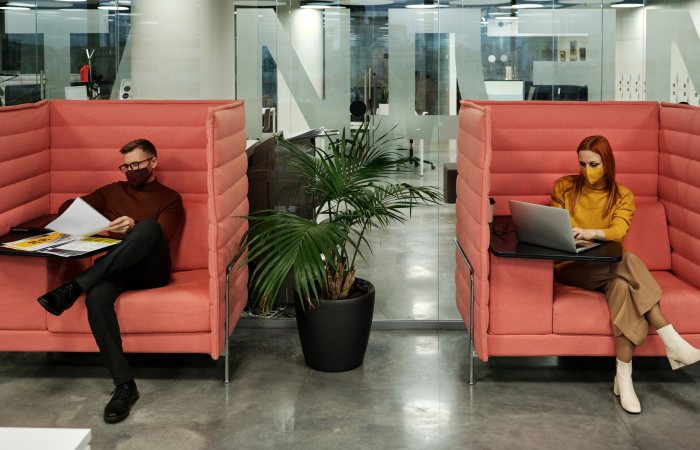
| Collaborative Lounge Seating | Supportive back angles and firm cushioning | Provides comfortable postural relief during informal meetings |
| Height-Adjustable Tables | Pneumatic or electric height transition | Combats the health risks of sedentary behavior by enabling standing |
| Modular Healthcare Casework | Cleanable surfaces and accessible storage heights | Promotes sanitary conditions and reduces bending injuries |
Evaluating Commercial Furniture for Long-Term Wellness
Investing in bodily wellness demands a systematic approach to picking out the structural elements for any room or office. Evaluating your options means looking way past the initial visual flair to verify long-term utility, durability, and actual health impacts. A structured decision-making framework can guide buyers and interior planners toward healthier, safer choices.
- Assess User Demographics: Figure out who will actually inhabit the space. Schools, hospitals, and corporate offices all face distinct physical demands when it comes to daily wear, tear, and physical support.
- Verify Material Safety: Check for low-emission certifications, non-toxic surface finishes, and materials that naturally resist microbes—especially vital in healthcare settings and shared public spaces.
- Prioritize Versatility: Pick pieces that transition easily between individual concentration and group teamwork, encouraging natural physical movement throughout the day.
- Review Manufacturer Standards: Examine brand histories, warranty terms, and craftsmanship standards to guarantee the structural integrity will hold up under years of heavy daily use.
Of course, it is worth noting that no physical object alone can entirely erase the hazards of a sedentary lifestyle. Even the most advanced ergonomic chair cannot replace the simple benefits of routine stretching, regular breaks, and short walks. However, pairing mindful physical habits with supportive fixtures like jsi furniture builds a reliable ecosystem where bodily strain drops significantly, letting people maintain higher energy levels and lasting comfort.
Frequently Asked Questions
What makes commercial furniture different from residential furniture?
Commercial-grade items are built to endure much heavier frequencies of use, stricter safety regulations, and more aggressive cleaning protocols than standard residential pieces. They rely on heavy-duty internal frames, commercial-rated fabrics, and high-density foams.
How does furniture design impact mental health and focus?
Physical discomfort acts as a constant, low-grade distraction for the brain. When seating and tables successfully relieve physical tension, people experience far fewer somatic distractions, which naturally supports better concentration, reduced stress, and improved cognitive endurance.
What should I look for when choosing seating for extended sitting?
Look for adjustable seat depth, easy pneumatic height controls, breathable upholstery, and firm lumbar support that moves synchronously with your body whenever you shift positions.
How does jsi furniture contribute to a healthy workplace?
jsi furniture contributes to a healthy workplace by blending thoughtful ergonomic support with adaptable designs that encourage dynamic movement, proper posture, and long-term physical comfort throughout the day.
Conclusion
Designing spaces that truly prioritize human health takes careful attention to the tools and structures we interact with every single day. By focusing on sound ergonomic principles, non-toxic materials, and adaptable designs, environments can actively foster physical wellbeing and ease. While physical fixtures are only one piece of a holistic, healthy lifestyle, choosing durable, well-crafted solutions like jsi furniture ensures your spaces remain welcoming, comfortable, and supportive of long-term vitality.
Related Guides
Explore more useful resources related to this topic:
- Understanding Jax Gloves: Features, Quality, and Athletic Applications
- Understanding Synthetic Tattoo Practice Surfaces: A Practical Guide to Material Performance
- A Guide to Choosing and Caring for a Luxury Fleuron Bag
- How to Choose and Maintain a Luxurious Hotel Style Plush Towel Set